Flatwork Built for Daily Commercial Use
Concrete slabs, pads, and structural flatwork installed to specification in the Illinois Valley and surrounding areas.
Your commercial property in the Illinois Valley depends on concrete surfaces that handle foot traffic, vehicle loads, and weather without cracking or settling. Gillan Construction LLC installs slabs, equipment pads, and structural flatwork using reinforced concrete that meets your project specifications and stays level under the loads your business generates.
This service covers interior floor slabs, exterior pads for HVAC units and generators, loading dock aprons, and other horizontal concrete work required by your building plans. Reinforcement is placed according to engineering drawings, and finishing techniques are selected based on the surface use. Each pour is timed to match curing requirements and coordinated with inspections so your project stays on schedule.
If your commercial build in the Illinois Valley requires flatwork that supports equipment, vehicles, or heavy use, reach out to Gillan Construction LLC to discuss your concrete needs.
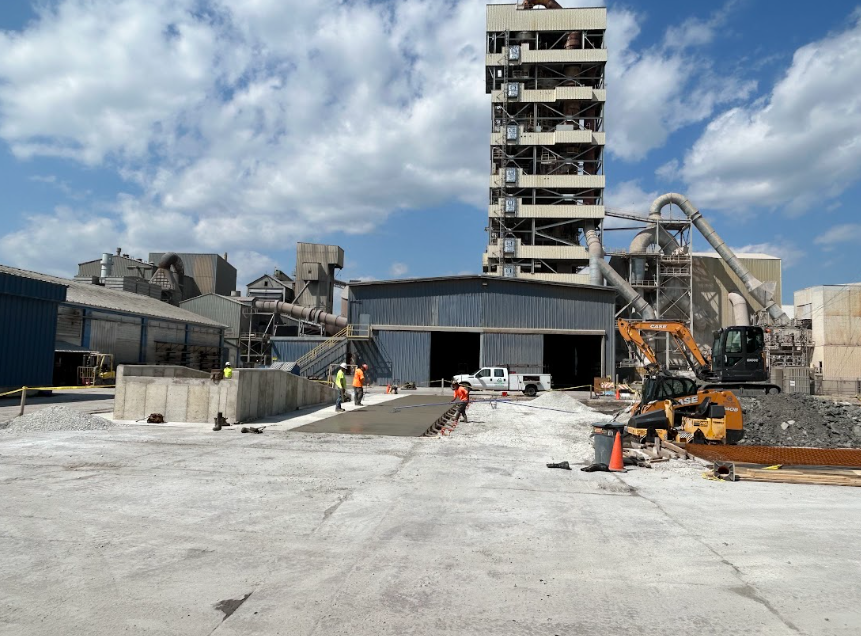
How Reinforced Concrete Gets Placed and Finished
Concrete installation in the Illinois Valley begins with subgrade preparation, rebar or mesh placement, and form setup to hold the concrete at the correct thickness and elevation. Trucks deliver mixed concrete that is poured, spread, and vibrated to eliminate voids. Finishing tools smooth the surface to the texture your project requires, whether that is a broom finish for traction or a troweled finish for indoor use.
Once the concrete cures, you see a flat, stable surface with uniform thickness, proper slope for drainage, and no low spots where water collects. Joints are cut or formed to control cracking, and edges are finished to prevent chipping. The slab supports the loads your engineer specified without deflection or surface damage.
Gillan Construction LLC uses commercial-grade materials and follows ACI guidelines for mixing, placement, and curing. The service does not include decorative finishes or epoxy coatings, which are separate trades. Expansion joints and control joints are placed according to your structural drawings, and curing compounds are applied when specified to reduce moisture loss.
Common Concerns Before Pouring Concrete
Concrete work involves timing, weather, and coordination with other trades, so clients typically ask about curing time, load capacity, and how different finishes affect durability.
Flatwork is typically placed after utilities are installed and inspected, and before vertical construction begins. Weather forecasts in the Illinois Valley should show dry conditions for at least 48 hours after the pour.
Gillan Construction LLC installs commercial flatwork using reinforced concrete and finishing techniques that meet your project specifications and deliver long-term durability. If your building in the Illinois Valley needs slabs, pads, or structural concrete work, contact us to review your plans and schedule.
